Emergency Roof Repair Explained: What Every Homeowner Should Know
A damaged roof can create significant problems for homeowners, ranging from water leaks to structural compromise. In situations where roof damage occurs suddenly due to storms, falling debris, or other emergencies, quick action is crucial. Emergency roof repair is not just about fixing visible damage. It involves assessing risk, protecting your home, and coordinating with professionals to prevent further loss.
Understanding emergency roof repair helps homeowners respond effectively during crises. Knowing the process, costs, and preventive measures can save time, money, and stress.
Key Takeaways
- Emergency roof repair addresses immediate threats to your home’s structure and safety.
- Common causes include storms, falling tree limbs, and sudden leaks.
- Quick assessment and temporary protection are critical to minimize damage.
- Certified roofing professionals provide safe, effective repairs.
- Insurance may cover some emergency repairs if documented correctly.
- Preventive maintenance reduces the risk of emergencies and costly repairs.
What is Emergency Roof Repair?
Emergency roof repair refers to urgent repair work required to address sudden damage to a roof. Unlike standard roof maintenance or planned repairs, emergency services focus on immediate safety and preventing further harm. The main goal is to stabilize the structure and protect the home until permanent repairs can be made.
Emergency roof repair can include:
- Covering leaks with tarps or temporary materials
- Reinforcing weakened areas
- Removing debris that threatens structural integrity
- Making quick fixes to prevent water intrusion
Emergency repair is not meant to replace permanent repairs but acts as a temporary solution to safeguard the home and belongings. Without quick intervention, water damage, mold growth, and structural deterioration can escalate, leading to higher repair costs.
Common Causes of Roof Emergencies
Understanding what can trigger the need for emergency roof repair helps homeowners prepare and respond effectively.
Severe Weather
Florida and many other regions experience hurricanes, tornadoes, hail, and heavy rainfall that can severely impact roofs. High winds can lift shingles, dislodge tiles, or damage the roof decking. Water intrusion from rain can quickly cause damage to ceilings, walls, and insulation if not addressed promptly.
Falling Debris
Fallen trees or branches are common during storms, especially if surrounding trees are not maintained. Construction activities, accidents, or nearby incidents can also result in debris hitting roofs and creating immediate hazards.
Aging Roofs
Worn-out shingles, tiles, or flashing may fail suddenly. Older roofs are more prone to leaks, sagging, and other structural issues. Regular inspections can help detect wear and tear before it escalates into an emergency.
Improper Installation
Roofing that is improperly installed, whether as a DIY project or by unlicensed contractors, is vulnerable to sudden damage. Incorrect flashing, insufficient fasteners, or poorly aligned shingles can cause the roof to fail during storms.
Sudden Leaks
Unexpected leaks caused by plumbing issues, punctures, or small cracks in roofing materials may trigger emergency repairs. Even a minor leak can cause major water damage if it reaches electrical wiring or insulation.
Signs You Need Emergency Roof Repair
Homeowners should be able to identify signs of urgent roof damage. Acting quickly can prevent minor problems from becoming costly repairs.
- Water Dripping or Pooling: Any water entering the home signals a roof compromise.
- Missing or Lifted Shingles: Indicates wind damage or deterioration.
- Visible Cracks or Holes: Punctures caused by debris or natural wear need immediate attention.
- Sagging Roof Sections: Suggests a weakened structure that could collapse.
- Ceiling Stains or Mold: Indicates ongoing water intrusion.
- Damaged Flashing: Areas around chimneys, vents, and skylights that are compromised can lead to leaks.
Prompt attention to these signs helps reduce the risk of further interior damage and costly structural repairs.
The Emergency Roof Repair Process
Emergency roof repair typically follows a structured process to ensure safety and effectiveness.
Step 1: Safety First
Before attempting any repair, homeowners must evaluate the roof’s stability. Sloped roofs, wet surfaces, or partially collapsed sections pose severe hazards. Relocating temporarily may be necessary in extreme cases.
Step 2: Temporary Protection
Roofers use tarps, plywood, or other temporary materials to cover leaks and prevent water intrusion. These measures help preserve the home until permanent solutions can be applied.
Step 3: Detailed Inspection
A certified roofing professional will inspect the extent of the damage. This includes:
- Roof covering condition
- Structural integrity
- Flashing and gutter performance
- Potential interior water damage
This inspection is crucial for determining both immediate repairs and future preventive steps.
Step 4: Documentation for Insurance
Proper documentation is essential for insurance claims. Photographs, written notes, and professional reports establish proof of damage. Many homeowners can recover repair costs if properly documented and submitted.
Step 5: Permanent Repairs
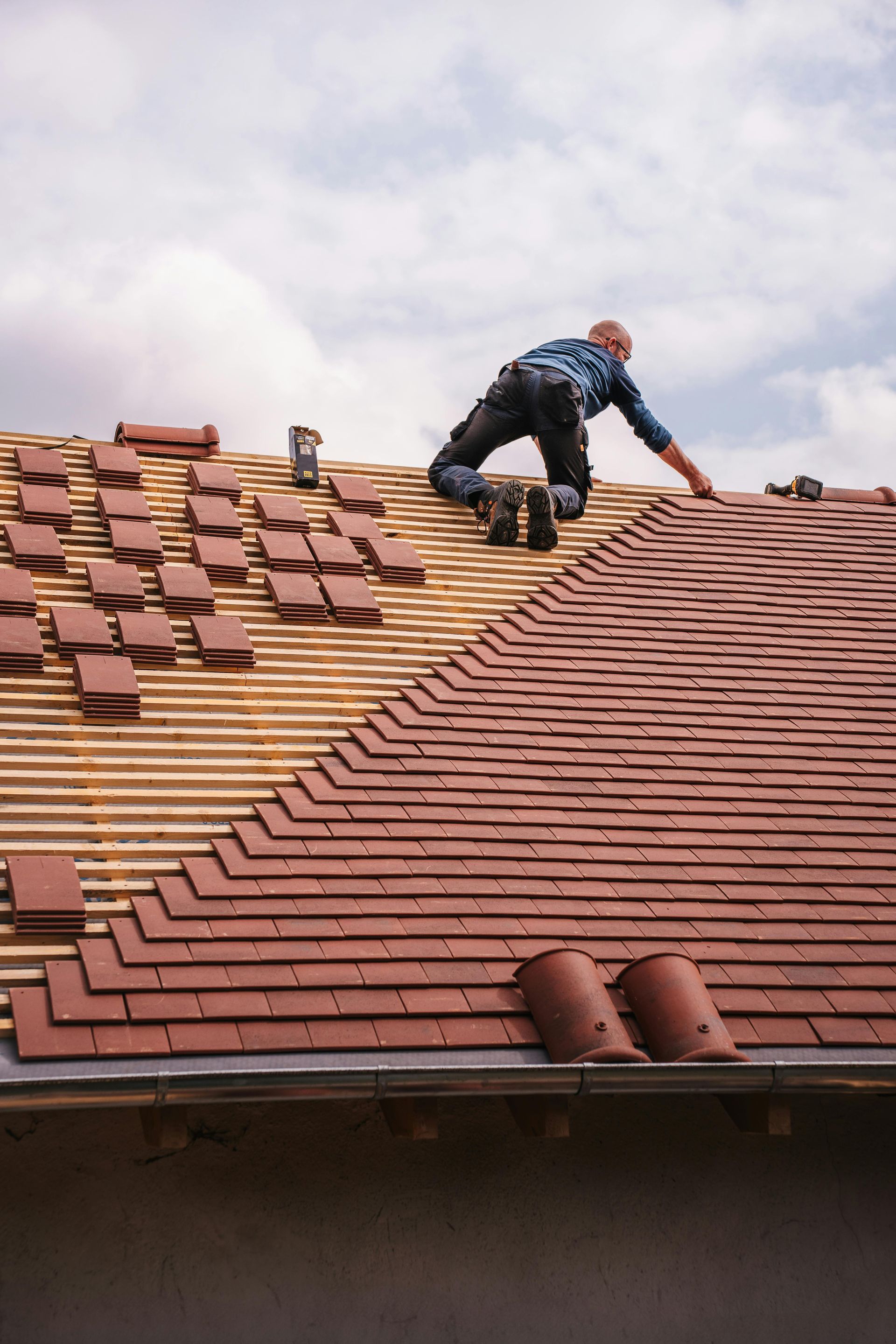
Permanent repair work ensures the roof is restored safely and fully. Common permanent repairs include:
- Replacing damaged shingles, tiles, or panels
- Reinforcing weakened decking or frame
- Fixing or installing new flashing
- Cleaning debris and inspecting gutters
| Type of Damage | Signs to Look For | Immediate Action |
|---|---|---|
| Shingle Loss | Missing or curled shingles | Cover with tarp to prevent leaks |
| Leaks | Water stains inside home | Place buckets under leaks, document |
| Structural | Sagging roof or deck | Avoid roof access, call professional |
| Flashing Damage | Loose or lifted flashing | Temporary seal if safe Clear area, remove debris safely |
| Debris Impact | Holes or dents from branches | Clear area, remove debris safely |
| Gutters | Detached or clogged gutters | Clean and secure gutters promptly |
DIY vs Professional Emergency Roof Repair
While some homeowners attempt minor fixes, professional services are often necessary for safety and quality.
DIY Considerations:
- Temporary patching may stop leaks.
- Small shingle replacements are possible with proper safety equipment.
- Risk of injury is high on steep or wet roofs.
Professional Advantages:
- Certified roofers bring experience, equipment, and safety measures.
- They provide thorough inspections for hidden damage.
- Insurance claims are more straightforward with professional reports.
- Permanent repairs are durable, code-compliant, and weather-resistant.
Insurance and Emergency Roof Repair
Homeowners may be eligible for insurance coverage for sudden roof damage caused by unforeseen events. Covered events typically include:
- Storms
- Fallen trees
- Water intrusion from accidental roof damage
- Hail and wind damage
Tips for Filing a Claim:
- Document damage with photos or videos immediately.
- Keep receipts for temporary repairs.
- Contact your insurance provider before permanent fixes.
- Use certified roofing professionals for accurate reports.
Insurance coverage varies by policy, so reviewing your plan and understanding deductibles is essential.
Preventive Measures to Reduce Roof Emergencies
Proactive maintenance reduces the likelihood of emergencies. Consider these strategies:
- Regular Inspections: Annual inspections catch minor issues before they escalate.
- Roof Maintenance: Cleaning gutters, replacing damaged shingles, and sealing flashing are key.
- Tree Management: Trim overhanging branches to prevent storm damage.
- High-Quality Materials: Investing in impact-resistant shingles or tiles prolongs roof life.
- Proper Ventilation: Prevents moisture buildup, reduces rot, and enhances durability.
Preventive care minimizes emergencies and provides peace of mind during storm season.
Emergency Roof Repair Costs
Costs vary based on damage severity, roof size, and repair type. Temporary tarping is generally low-cost, while structural reinforcement and full shingle replacement are more significant investments. On average:
- Temporary repairs: $75–$300
- Minor shingle replacements: $150–$600
- Structural reinforcement: $500–$2,000
- Full roof repair after storm damage: $3,000–$10,000 or more
Investing in preventive maintenance can reduce the likelihood of expensive emergency repairs.
Seasonal Considerations for Emergency Roof Repair
Different seasons bring different roof risks.
- Spring: Heavy rains and tornadoes can cause leaks and shingle damage.
- Summer: High heat and thunderstorms may weaken shingles and flashing.
- Fall: Falling leaves can clog gutters, causing water backup and roof leaks.
- Winter: Ice dams in colder climates can lead to water damage (relevant in northern states).
Being aware of seasonal risks helps homeowners schedule inspections and preventive maintenance appropriately.
Frequently Asked Questions
How soon should I act after storm damage?
Immediate action is recommended, ideally within 24 hours, to prevent water intrusion and further structural damage.
Can I perform emergency repairs myself?
Minor fixes like tarp coverage are possible, but professional repair is safer and ensures insurance compliance.
Will insurance cover storm damage repairs?
Many policies cover wind, hail, and debris-related roof damage. Proper documentation and professional assessment are often required.
How much does storm damage repair cost?
Costs vary by roof size, damage severity, and materials. Temporary fixes are inexpensive, while structural repairs or full replacement can be costly.
What can I do to prevent storm damage in the future?
Regular inspections, maintenance, trimming trees, and upgrading roofing materials reduce vulnerability.
Final Thoughts
Emergency roof repair is essential for protecting your home from sudden damage. Understanding the causes, signs, repair process, and insurance considerations can help homeowners act decisively and reduce potential loss. Regular maintenance, preventive measures, and professional inspections complement emergency preparedness, providing peace of mind during storms or accidents.
Schedule an emergency roof inspection today to assess your home’s condition, prevent costly repairs, and ensure your property is protected.
Reference:
https://www.investopedia.com/terms/f/forcemajeure.asp