The Importance of Proper Attic Ventilation
Many homeowners focus on shingles, insulation, and gutters when thinking about roof maintenance, but attic ventilation is often overlooked. Despite being hidden from view, proper attic ventilation plays an important role in protecting your roof, improving energy efficiency, and maintaining indoor comfort.
Attics naturally collect heat and moisture throughout the year. Without a balanced ventilation system, that buildup can affect roof materials, insulation performance, and even indoor air quality. Proper ventilation allows fresh air to enter while letting warm, moist air escape. This air exchange helps regulate temperature and humidity inside the attic space.
While every home and climate is different, many roofing professionals recommend a ventilation system designed to keep airflow consistent throughout the year. When airflow is properly balanced, the attic can function as an important buffer between outdoor weather conditions and the living space below.
Understanding how attic ventilation works and why it matters can help homeowners make informed decisions about roof maintenance, upgrades, and inspections.
Key Takeaways
- Roof repair addresses localized damage and may help extend the life of a roofing system when the overall structure is still in good condition.
- Roof replacement involves installing an entirely new roofing system and may be considered when the roof is aging or extensively damaged.
- The age of the roof is often one of the most important factors when deciding between repair and replacement.
- Recurring issues such as persistent leaks or repeated repairs may indicate that a replacement should be evaluated.
- Roofing materials, climate conditions, and maintenance history can all influence the decision.
- A professional inspection can help determine the extent of damage and possible options.
What Is Attic Ventilation?
Attic ventilation refers to the system that allows air to circulate through the attic space. The goal is to create a steady flow of air that moves warm, moist air out while bringing fresh outdoor air in.
A typical attic ventilation system includes two main components.
Intake vents bring fresh air into the attic. These are usually located near the lower portion of the roof, such as along the soffits.
Exhaust vents allow hot air and moisture to exit the attic. These vents are commonly installed near the roof ridge or higher sections of the roof.
When intake and exhaust vents work together, they create continuous airflow. This process helps prevent air from becoming trapped inside the attic.
Without adequate airflow, warm air can accumulate during the summer, while moisture can become trapped during colder seasons. Over time, this environment may affect roofing materials, insulation, and wooden roof structures.
Why Proper Attic Ventilation Matters
Attic ventilation supports several aspects of a home’s structure and comfort. While the specific benefits vary by climate and home design, proper ventilation is often considered an important part of roof system performance.
Temperature Control
During warmer months, attic temperatures can rise significantly due to solar heat absorbed by roofing materials. Without ventilation, that heat remains trapped inside the attic.
Proper ventilation helps move hot air out of the attic and allows cooler air to enter. This air exchange can reduce extreme temperature buildup.
Although ventilation alone does not cool a home, it may help prevent excessive heat from transferring into the living space below.
Moisture Management
Moisture is another major concern in attic spaces. Everyday household activities such as cooking, showering, and laundry release moisture into the air.
Some of that moisture can rise into the attic. When it becomes trapped, condensation may form on roof decking or structural components.
Over time, persistent moisture could contribute to issues such as:
- Wood deterioration
- Insulation damage
- Mold or mildew growth
Proper ventilation helps move humid air out of the attic before condensation forms.
Roof Longevity
Roofing materials perform best when exposed to stable conditions. Excessive heat and trapped moisture may affect how roofing components age.
Proper airflow may help reduce extreme temperature fluctuations and moisture exposure in the attic. This environment may support more consistent performance from roofing materials over time.
Because roof systems vary widely, ventilation is usually considered one part of a broader roofing strategy that includes insulation, underlayment, and regular maintenance.
Common Types of Attic Ventilation Systems
Attic ventilation systems come in several forms. Many homes use a combination of intake and exhaust vents to support balanced airflow.
Below are some commonly used ventilation components.
Soffit Vents
Soffit vents are installed along the underside of roof overhangs. These vents allow fresh air to enter the attic from the outside.
Because they are located at the lower edge of the roof, soffit vents often serve as intake vents in a ventilation system.
Ridge Vents
Ridge vents are installed along the peak of the roof. They run the entire length of the ridge and allow warm air to escape from the attic.
Since warm air naturally rises, ridge vents can provide an efficient path for heat and moisture to exit the attic.
Gable Vents
Gable vents are installed on the exterior walls of the attic near the roof peak. These vents allow air to flow through the attic horizontally.
While they may help with ventilation in some designs, they are often used alongside other ventilation methods.
Roof Vents
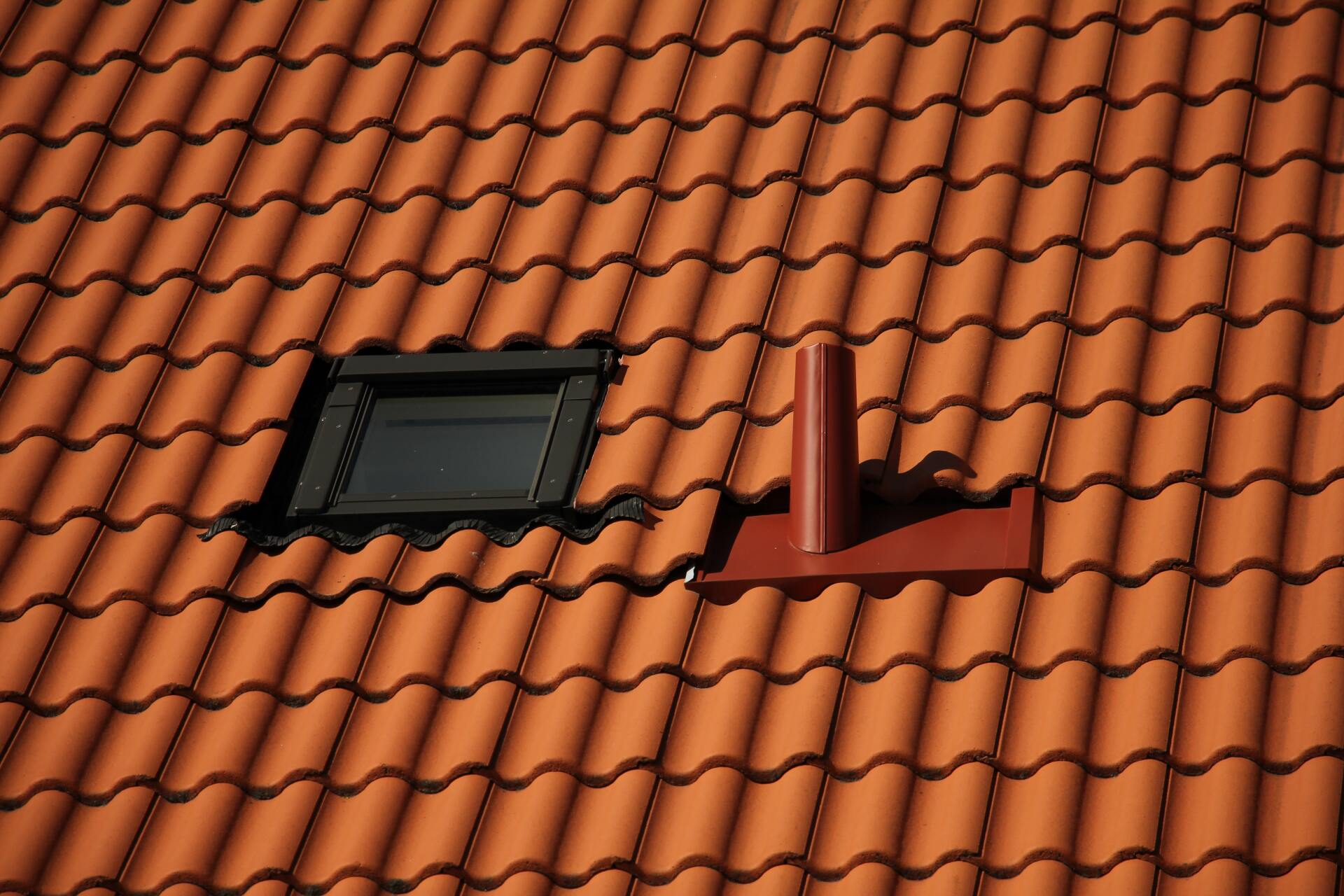
Roof vents, sometimes called box vents, are installed directly through the roof surface. These vents allow hot air to escape from the attic.
They are commonly spaced across the roof to create multiple exhaust points.
Powered Attic Fans
Some homes use powered attic fans to help increase airflow. These fans are designed to pull hot air out of the attic more quickly.
Powered ventilation systems may be controlled by thermostats or humidity sensors. Because installation requirements vary, they are often evaluated on a case-by-case basis.
Signs Your Attic May Have Ventilation Issues
Attic ventilation problems are not always easy to detect. However, there are several signs that may suggest airflow inside the attic could be limited.
Homeowners sometimes notice issues such as:
- Uneven indoor temperatures
- Higher cooling costs during summer
- Musty odors in the attic
- Visible moisture on roof decking
- Ice buildup along roof edges in winter climates
- Excessive heat when entering the attic
These signs do not always indicate ventilation problems, but they may warrant further inspection by a roofing professional.
A qualified contractor can evaluate the attic space and identify whether ventilation improvements may be beneficial.
Attic Ventilation and Energy Efficiency
Energy efficiency is another factor often associated with attic ventilation.
When an attic becomes extremely hot, the heat may transfer into the home below. This process can make cooling systems work harder to maintain comfortable indoor temperatures.
Proper airflow may help reduce extreme heat buildup in the attic. In some cases, this may support more stable indoor temperatures and reduce strain on cooling systems.
Ventilation should typically be considered alongside insulation. Both systems work together to support energy efficiency.
- Insulation slows heat transfer between the attic and living space.
- Ventilation helps regulate attic air temperature and moisture.
When both systems are functioning properly, they may help maintain a more balanced indoor environment.
Recommended Ventilation Ratios
Many building guidelines suggest ventilation ratios to help ensure adequate airflow in attic spaces. These ratios generally refer to the amount of vent area relative to the attic floor area.
A commonly referenced guideline is the 1:150 rule. This suggests that for every 150 square feet of attic floor space, there should be approximately 1 square foot of ventilation.
In some cases, this ratio may be adjusted to 1:300 when certain conditions are met, such as the presence of vapor barriers or balanced ventilation.
Below is a simplified overview.
| Attic Size | Approximate Vent Area Needed |
|---|---|
| 1,200 sq ft | 8 sq ft ventilation (1:150 ratio) |
| 1,500 sq ft | 10 sq ft ventilation |
| 2,000 sq ft | 13.3 sq ft ventilation |
Actual ventilation requirements can vary depending on roof design, insulation, and local building codes. For this reason, professional evaluations are often recommended before making changes to ventilation systems.
The Relationship Between Attic Ventilation and Roof Insulation
Attic ventilation and insulation work together to support roof system performance.
While ventilation controls airflow and moisture, insulation slows heat transfer between the attic and the home.
If insulation is installed incorrectly, it may block airflow from soffit vents. This blockage can reduce the effectiveness of the ventilation system.
To help maintain airflow, contractors often install baffles or ventilation channels between insulation and roof decking. These channels allow air to move freely from intake vents toward exhaust vents.
A balanced system typically includes:
- Adequate insulation coverage
- Clear airflow pathways
- Proper placement of intake and exhaust vents
Maintaining this balance can help the attic perform more effectively throughout different seasons.
Seasonal Considerations for Attic Ventilation
Attic ventilation plays a role in both warm and cold weather conditions.
Summer Conditions
During summer, roofing materials absorb significant heat from sunlight. Without ventilation, attic temperatures can become much hotter than outdoor temperatures.
Airflow helps release trapped heat and allows cooler air to enter through intake vents.
Winter Conditions
In colder climates, ventilation helps remove moisture that may rise into the attic from the living space.
When warm air from the home enters the attic, it can melt snow on the roof. If the melted water refreezes near the roof edge, ice dams may form.
Ventilation can help maintain more consistent roof temperatures and reduce moisture buildup in winter.
Professional Inspections and Ventilation Improvements
Homeowners rarely inspect attic ventilation on a regular basis. Because vents are often located along the roofline or within the attic structure, potential issues may go unnoticed for years.
Roofing professionals typically evaluate ventilation during roof inspections. They may assess factors such as:
- Vent placement
- Intake and exhaust balance
- Airflow pathways
- Signs of moisture or heat buildup
If improvements are recommended, they may include adding new vents, clearing blocked vents, or adjusting insulation placement.
Since each home is unique, solutions are often tailored to the structure, roof design, and climate conditions.
Frequently Asked Questions
How do I know if my attic has enough ventilation?
Determining ventilation levels often involves measuring attic size and evaluating the total vent area. A roofing professional can inspect the attic and compare ventilation levels with recommended guidelines.
Can too much attic ventilation be a problem?
In some cases, excessive ventilation or poorly placed vents may disrupt airflow patterns. Balanced intake and exhaust ventilation is generally considered more effective than simply adding more vents.
Does attic ventilation replace the need for insulation?
No. Ventilation and insulation serve different purposes. Insulation helps slow heat transfer, while ventilation regulates airflow and moisture.
Are powered attic fans always necessary?
Powered attic fans may increase airflow in certain situations. However, many homes rely on passive ventilation systems such as ridge and soffit vents.
Should attic ventilation be inspected during roof replacement?
Yes. Roof replacement projects often provide an opportunity to evaluate ventilation systems. Contractors may review vent placement and recommend improvements if needed.
Final Thoughts
Proper attic ventilation is an important part of maintaining a balanced roofing system. By allowing air to circulate through the attic, ventilation helps regulate temperature and moisture levels within the roof structure.
Although ventilation alone does not solve every roofing concern, it often works alongside insulation, roofing materials, and regular maintenance to support long-term roof performance.
Because every home has unique design characteristics, ventilation systems are typically evaluated on a case-by-case basis. Consulting with experienced roofing professionals can help homeowners better understand how their attic ventilation system is functioning.
Schedule a Professional Roof Inspection
If you are unsure whether your attic ventilation system is performing properly, a professional roof inspection may help provide clarity.
An experienced roofing contractor can evaluate airflow, insulation, and roof structure conditions to determine whether improvements may be beneficial. Proper ventilation is just one component of a healthy roofing system, but it can play a meaningful role in protecting your home.
Contact a trusted roofing professional today to learn more about attic ventilation and roof system maintenance.
Reference:
https://www.thespruce.com/basic-types-and-cost-of-roofing-materials-1822016